As a supplier of serrated safety washers, I often encounter inquiries from customers regarding the compatibility of serrated safety washers with different types of bolts. This is a crucial question that directly impacts the effectiveness and safety of fastening applications. In this blog, I will delve into the details of using serrated safety washers with various types of bolts, providing scientific and practical insights. Serrated Safety Washer
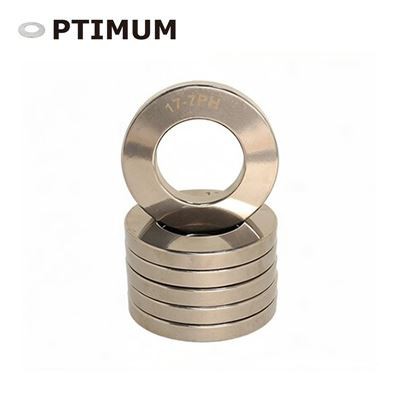
Understanding Serrated Safety Washers
Serrated safety washers are designed to prevent loosening of bolts due to vibration, shock, or dynamic loads. They feature serrations on one or both sides, which bite into the mating surfaces of the bolt head, nut, and the workpiece. This creates a locking effect that resists rotation and maintains the pre – load of the bolted joint.
There are two main types of serrated safety washers: internal serrated washers and external serrated washers. Internal serrated washers have serrations on the inner diameter, while external serrated washers have serrations on the outer diameter. The choice between the two depends on the specific application requirements.
Compatibility with Different Bolt Types
1. Hex Bolts
Hex bolts are one of the most commonly used types of bolts in various industries. They have a hexagonal head and are typically used with nuts. Serrated safety washers work well with hex bolts. The serrations on the washer can grip the flat surface of the hex bolt head and the nut, providing a reliable locking mechanism.
When using serrated safety washers with hex bolts, it is important to ensure that the washer size is compatible with the bolt diameter. The inner diameter of the washer should be slightly larger than the bolt shank diameter to allow for easy installation. Additionally, the serrations should be in contact with the mating surfaces to achieve the best locking effect.
2. Socket Head Cap Screws
Socket head cap screws are often used in applications where a low – profile fastener is required. They have a cylindrical head with a socket drive, which allows for easy tightening using an Allen wrench. Serrated safety washers can also be used with socket head cap screws.
The serrations on the washer can grip the flat surface of the socket head cap screw, preventing it from loosening under vibration or dynamic loads. However, it is important to choose a washer with the appropriate inner diameter to fit the screw shank.
3. Machine Screws
Machine screws are used for fastening parts together in machinery and equipment. They are available in various thread sizes and lengths. Serrated safety washers can be used with machine screws to prevent loosening.
When using serrated safety washers with machine screws, it is crucial to select the correct washer size based on the screw diameter. The washer should be able to provide sufficient locking force without causing damage to the screw or the workpiece.
4. Carriage Bolts
Carriage bolts have a round head with a square neck under the head. They are commonly used in woodworking and other applications where a smooth – finished head is required. Serrated safety washers can be used with carriage bolts to prevent the bolt from rotating in the hole.
The serrations on the washer can grip the square neck of the carriage bolt, providing a locking effect. However, it is important to ensure that the washer is properly installed to avoid interference with the bolt’s function.
Factors Affecting Compatibility
1. Material Compatibility
The material of the serrated safety washer and the bolt should be compatible to avoid galvanic corrosion. For example, if the bolt is made of stainless steel, it is advisable to use a stainless – steel serrated safety washer. Mixing different materials can lead to corrosion, which can weaken the joint and reduce its effectiveness.
2. Surface Finish
The surface finish of the bolt and the workpiece can also affect the performance of the serrated safety washer. A smooth surface may not provide sufficient grip for the serrations, while a rough surface may cause damage to the washer. It is important to ensure that the surface finish is appropriate for the application.
3. Load Requirements
The load requirements of the application also play a crucial role in determining the compatibility of serrated safety washers with bolts. High – load applications may require a washer with a higher locking force. In such cases, it may be necessary to use a washer with a larger number of serrations or a thicker material.
Advantages of Using Serrated Safety Washers with Different Bolts
1. Enhanced Safety
By preventing bolt loosening, serrated safety washers enhance the safety of the bolted joint. This is particularly important in applications where the failure of a bolted joint can lead to serious consequences, such as in machinery, automotive, and aerospace industries.
2. Cost – Effective
Serrated safety washers are a cost – effective solution for preventing bolt loosening. They are relatively inexpensive compared to other locking methods, such as locknuts or thread – locking adhesives.
3. Easy Installation
Serrated safety washers are easy to install. They can be simply placed between the bolt head or nut and the workpiece, and then tightened along with the bolt. This makes them a convenient option for various applications.
Conclusion

In conclusion, serrated safety washers can be used with different types of bolts, including hex bolts, socket head cap screws, machine screws, and carriage bolts. However, it is important to consider factors such as material compatibility, surface finish, and load requirements to ensure the effectiveness of the locking mechanism.
Ball Bearing Disc Spring As a supplier of serrated safety washers, I am committed to providing high – quality products that meet the diverse needs of our customers. If you are interested in purchasing serrated safety washers for your specific application, I encourage you to contact me for further discussion. We can work together to determine the best solution for your needs, ensuring the safety and reliability of your bolted joints.
References
- "Fastener Handbook" by Henry Petroski
- "Mechanical Design of Machine Elements and Machines: A Failure – Prevention Perspective" by Robert L. Norton
- "Engineering Materials and Their Applications" by Lawrence G. Murr
Yangzhou Optimum Spring Manufacturing Co., Ltd.
As one of the most professional serrated safety washer manufacturers and suppliers in China, we’re featured by quality products and good service. Please rest assured to buy customized serrated safety washer made in China here from our factory. For more information, contact us now.
Address: No.9 West of Shuangtang Rd, Yangzhou, P.R. China 225000
E-mail: susie@optimum-spring.com
WebSite: https://www.optimum-spring.com/
