Steel springs are ubiquitous in our daily lives, found in everything from mattresses and automotive suspensions to industrial machinery. As a steel spring supplier, I’m often asked about the recyclability of these essential components. In this blog, I’ll explore the recyclability of steel springs, the process involved, and the environmental and economic benefits of recycling. Steel Spring

The Recyclability of Steel Springs
The short answer is yes, steel springs can be recycled. Steel is one of the most recycled materials in the world, and springs are no exception. The high recyclability of steel is due to its inherent properties. Steel retains its strength and durability even after multiple recycling processes, making it an ideal candidate for reuse.
Steel springs are typically made from high – carbon steel or stainless steel. Both types of steel can be melted down and re – used to create new products. High – carbon steel springs are commonly used in applications where high strength and elasticity are required, such as in automotive and industrial machinery. Stainless steel springs, on the other hand, are used in applications where corrosion resistance is crucial, like in marine and food processing industries.
The Recycling Process
The recycling process of steel springs involves several steps:
Collection
The first step is the collection of used steel springs. This can come from various sources, including industrial waste, consumer products at the end of their life cycle, and scrap metal yards. As a steel spring supplier, we also encourage our customers to return their used springs to us for recycling. This not only helps in reducing waste but also provides us with a valuable source of raw material.
Sorting
Once the springs are collected, they need to be sorted. This is an important step as different types of steel have different properties and require different recycling processes. For example, high – carbon steel and stainless steel need to be separated to ensure the quality of the recycled steel. Sorting can be done manually or using automated sorting equipment, which uses magnetic and non – magnetic properties to distinguish between different types of steel.
Shredding
After sorting, the steel springs are shredded into smaller pieces. Shredding increases the surface area of the steel, making it easier to melt. The shredded steel is then cleaned to remove any contaminants such as dirt, paint, or grease. This is crucial as contaminants can affect the quality of the recycled steel.
Melting
The cleaned and shredded steel is then melted in a furnace. The melting process requires a high temperature, typically around 1,600 degrees Celsius for steel. During melting, the steel is transformed from a solid to a liquid state. Any impurities in the steel rise to the surface and can be removed.
Refining
Once the steel is melted, it is refined to improve its quality. Refining involves removing any remaining impurities and adjusting the chemical composition of the steel to meet the required specifications. This can be done through various methods, such as adding alloying elements or using chemical processes.
Casting
After refining, the molten steel is cast into new shapes. This can be done by pouring the molten steel into molds to create new steel products, including new springs. The casting process allows for the creation of a wide range of shapes and sizes, depending on the specific requirements of the application.
Environmental Benefits of Recycling Steel Springs
Recycling steel springs has significant environmental benefits:
Conservation of Natural Resources
Steel is made from iron ore, a finite natural resource. By recycling steel springs, we reduce the need for mining new iron ore. Mining iron ore is a resource – intensive process that can have a significant impact on the environment, including deforestation, soil erosion, and water pollution. Recycling steel helps to conserve these natural resources and reduce the environmental impact of mining.
Energy Savings
The production of new steel from iron ore requires a large amount of energy. In contrast, recycling steel uses significantly less energy. It is estimated that recycling steel can save up to 75% of the energy required to produce new steel from virgin materials. This energy savings not only reduces our carbon footprint but also helps to lower energy costs.
Reduction of Waste
Recycling steel springs helps to reduce the amount of waste sent to landfills. Steel is a durable material, and if not recycled, it can remain in landfills for a long time. By recycling steel springs, we can divert this waste from landfills and give it a new life as a useful product.
Economic Benefits of Recycling Steel Springs
In addition to the environmental benefits, recycling steel springs also has economic advantages:
Cost Savings
Recycling steel is generally more cost – effective than producing new steel from virgin materials. The cost of mining, refining, and processing iron ore is high, while the cost of recycling steel is relatively low. As a steel spring supplier, using recycled steel can help us reduce our production costs, which can be passed on to our customers in the form of lower prices.
Job Creation
The recycling industry creates jobs in various sectors, including collection, sorting, processing, and manufacturing. Recycling steel springs requires a skilled workforce, from workers at the collection centers to technicians in the melting and refining plants. By promoting the recycling of steel springs, we can contribute to job creation and economic growth.
Challenges in Recycling Steel Springs
While steel springs are highly recyclable, there are some challenges in the recycling process:
Contamination
As mentioned earlier, contaminants such as dirt, paint, and grease can affect the quality of the recycled steel. Removing these contaminants can be a time – consuming and costly process. To overcome this challenge, it is important to ensure that the steel springs are properly cleaned before recycling.
Mixed Materials
Some steel springs may be combined with other materials, such as plastic or rubber. Separating these mixed materials can be difficult and requires specialized equipment. As a steel spring supplier, we are constantly looking for ways to design our products to make them easier to recycle and separate from other materials.
Conclusion
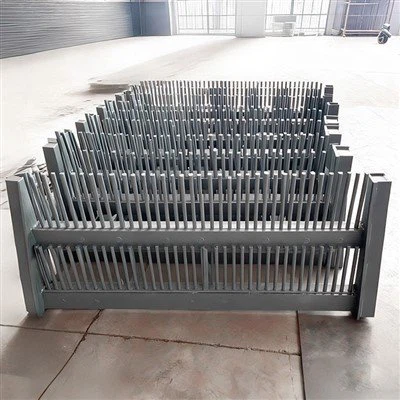
In conclusion, steel springs can and should be recycled. The recyclability of steel springs offers significant environmental and economic benefits, including the conservation of natural resources, energy savings, waste reduction, cost savings, and job creation. As a steel spring supplier, we are committed to promoting the recycling of our products. We encourage our customers to return their used springs to us for recycling, and we are constantly working to improve our recycling processes and reduce the environmental impact of our operations.
Spare Parts If you are interested in purchasing high – quality steel springs or have any questions about our products and recycling initiatives, please feel free to contact us for a procurement discussion. We look forward to working with you to meet your steel spring needs while contributing to a more sustainable future.
References
- American Iron and Steel Institute. (2023). Steel Recycling.
- World Steel Association. (2023). Recycling and Steel.
- Environmental Protection Agency. (2023). Metals Recycling Basics.
Xinxiang Fengda Machinery Co., Ltd.
Address: No.16 Wangguanying Village, Kangcun Town, Huojia County, Xinxiang City, Henan Province, China
E-mail: xxfdjx@163.com
WebSite: https://www.flipflowscreen.com/
