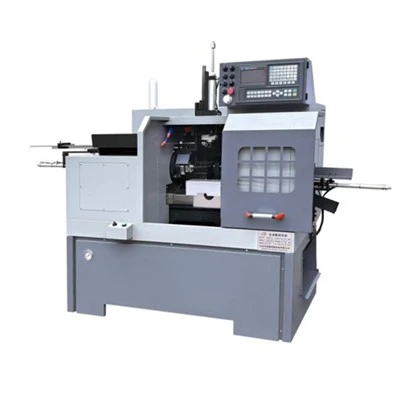
Hey there! I’m a supplier of CNC machining centers, and I’ve been in this industry for quite a while now. One question I often get asked is, "What are the environmental requirements for a CNC machining center?" Well, let’s dive right into it. CNC Machining Center
Temperature and Humidity
First off, temperature and humidity play a huge role in the performance of a CNC machining center. These machines are like high – tech athletes; they need the right conditions to perform at their best.
The ideal temperature range for most CNC machining centers is between 20°C and 25°C (68°F – 77°F). Why is this so important? Well, temperature affects the materials in the machine. Metals expand and contract with changes in temperature. If it’s too hot, the machine components might expand, leading to misalignments. This can cause inaccuracies in machining, like the parts not being cut to the right dimensions. On the flip side, if it’s too cold, the metal can contract, which might also lead to issues with the fit and function of the machine’s moving parts.
Humidity is another crucial factor. The relative humidity should ideally be kept between 40% and 60%. High humidity can lead to rust and corrosion on the metal parts of the machine. Rust not only looks bad but can also damage the moving parts, making them less efficient and potentially reducing the lifespan of the machine. Low humidity, on the other hand, can cause static electricity. Static can attract dust, and it can also interfere with the electrical components of the CNC system, leading to malfunctions.
To maintain the right temperature and humidity, you might need to invest in a climate – control system. This could be as simple as an air conditioner and a dehumidifier or a more sophisticated HVAC system, depending on the size of your workshop and the number of machines you have.
Cleanliness and Dust Control
A clean environment is essential for a CNC machining center. You see, dust is the enemy of these high – precision machines.
Dust can come from many sources in a machining environment. Cutting metal generates metal chips and fine dust particles. These small particles can get into the machine’s moving parts, like the ball screws and linear guides. Once they’re in there, they can act like sandpaper, causing wear and tear on the components. Over time, this can lead to loss of accuracy and even machine breakdowns.
To keep the dust under control, you should have a good chip – removal system in place. This could be a conveyor system that removes the large metal chips from the work area as they’re produced. Additionally, a dust collector is a must – have. It can suck up the fine dust particles before they have a chance to settle on the machine.
Regular cleaning of the machine is also crucial. You should wipe down the exterior of the machine daily to remove any surface dust. And at least once a week, you should do a more thorough cleaning of the internal components, following the manufacturer’s guidelines.
Electrical Environment
The electrical environment where your CNC machining center is located is also super important.
First of all, the power supply needs to be stable. CNC machines are very sensitive to voltage fluctuations. If the voltage is too high or too low, it can damage the electrical components of the machine. You might need to use a voltage regulator to ensure a stable power supply.
Grounding is another key aspect. A proper grounding system helps to protect the machine from electrical surges and also reduces the risk of electrical shock to the operators. The machine should be grounded according to the local electrical codes and the manufacturer’s recommendations.
It’s also important to keep the electrical environment clean and dry. Moisture or dust in the electrical cabinets can cause short – circuits, which can be dangerous and costly to repair. So, make sure the electrical cabinets are sealed properly and that you inspect them regularly for any signs of damage or contamination.
Vibration and Shock
Vibration and shock can have a big impact on the performance of a CNC machining center.
These machines are designed to operate with high precision. Even a small amount of vibration can cause the cutting tool to deviate from its intended path, resulting in poor – quality parts. Vibrations can come from various sources, such as other machinery in the workshop, traffic outside the building, or even the movement of people.
To minimize the effects of vibration, the CNC machining center should be installed on a solid foundation. Some machines come with vibration – isolation pads that can help to reduce the transfer of vibrations from the floor to the machine. Additionally, you should try to keep the machine away from other equipment that generates a lot of vibration, like large presses or grinders.
Shock is also something to watch out for. Dropping heavy objects near the machine or a sudden impact on the building can cause shock to the machine. This can damage the internal components, especially the sensitive electronic parts. So, you need to be careful about the handling of materials around the machine and make sure there are no activities that could cause a shock to the machine.
Ventilation
Ventilation is often overlooked but is extremely important in a CNC machining environment.
When the machine is cutting metal, it produces fumes and aerosols. These can be harmful to the health of the operators if inhaled. The fumes can contain metal particles, coolants, and lubricants, which can cause respiratory problems, skin irritation, and other health issues over time.
Proper ventilation helps to remove these harmful fumes from the work area. You should have a ventilation system that can effectively exhaust the fumes outside the building. This could be a local exhaust system that is attached directly to the machining area or a general ventilation system for the entire workshop.
In addition to removing fumes, ventilation also helps to control the temperature and humidity in the workshop. It allows for the exchange of air, which can prevent the build – up of heat and moisture.
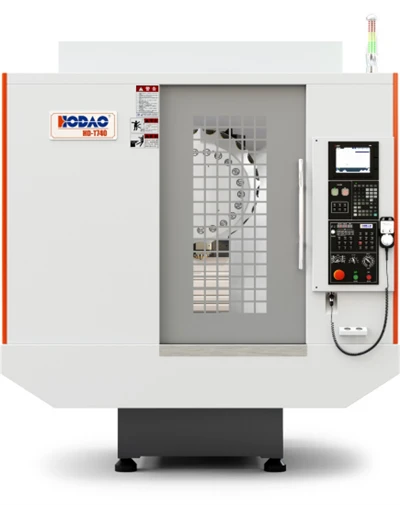
Now, if you’re in the market for a CNC machining center or you’re looking to upgrade your current setup, you need to keep all these environmental requirements in mind. A well – maintained and properly installed CNC machining center will not only give you more accurate results but also last longer, saving you money in the long run.
Horizontal Machining Center We’re here to help you every step of the way. Whether you need advice on the environmental setup for your machining center or you’re interested in purchasing one of our top – of – the – line machines, don’t hesitate to get in touch. We’ve got the expertise and the products to meet your needs. Just reach out and let’s start a conversation about how we can work together to make your machining operations more efficient and successful.
References
- "CNC Machining Handbook": This comprehensive guide provides in – depth information on all aspects of CNC machining, including environmental requirements.
- Manufacturer’s manuals: The manuals provided by the CNC machining center manufacturers offer specific guidelines on the environmental conditions for optimal operation.
Taizhou Qiyang Trading Co., Ltd.
As one of the most professional CNC machining center manufacturers and suppliers in China, we’re featured by quality products and good price. Please rest assured to buy bulk CNC machining center for sale here and get quotation from our factory. Customized orders are welcome.
Address: Zhenhai Village, Binhai Town, Wenling City, Taizhou City, Zhejiang Province
E-mail: qycncmachine@outlook.com
WebSite: https://www.qycncmachine.com/
