Can a Butt Fusion Machine be used for pipes in corrosive environments?
As a supplier of butt fusion machines, I often encounter inquiries from customers about the suitability of our equipment for pipes in corrosive environments. This is a crucial question, as the integrity and longevity of pipes in such conditions are of utmost importance. In this blog, I will delve into the topic and provide a comprehensive analysis of whether a butt fusion machine can be effectively used for pipes in corrosive environments. Butt Fusion Machine
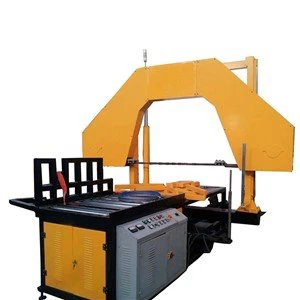
Understanding Butt Fusion Machines
Before we explore the application of butt fusion machines in corrosive environments, let’s first understand what a butt fusion machine is. A butt fusion machine is a specialized tool used to join two pieces of thermoplastic pipes together. The process involves heating the ends of the pipes to a molten state and then pressing them together to form a strong, permanent bond. This method is widely used in various industries, including water supply, gas distribution, and sewage systems, due to its reliability and efficiency.
Corrosive Environments and Their Impact on Pipes
Corrosive environments can pose significant challenges to the integrity of pipes. Corrosion is a natural process that occurs when metals or other materials react with their surroundings, leading to the deterioration of the pipe’s structure. In corrosive environments, factors such as high humidity, chemical exposure, and the presence of aggressive substances can accelerate the corrosion process, causing pipes to weaken, leak, or even fail.
The Role of Butt Fusion Machines in Corrosive Environments
Now, let’s address the main question: Can a butt fusion machine be used for pipes in corrosive environments? The answer is yes, but with certain considerations.
Material Selection
The choice of pipe material is crucial when dealing with corrosive environments. Thermoplastic pipes, such as polyethylene (PE) and polypropylene (PP), are often preferred due to their excellent corrosion resistance. These materials are inert to many chemicals and can withstand harsh environmental conditions. When using a butt fusion machine to join thermoplastic pipes, the resulting joint is also resistant to corrosion, providing a reliable and long-lasting solution.
Joint Integrity
The quality of the joint formed by a butt fusion machine is essential for the performance of the pipes in corrosive environments. A well-executed butt fusion joint provides a seamless connection that is resistant to leakage and corrosion. The fusion process ensures that the joint is as strong as the pipe itself, preventing the ingress of corrosive substances.
Environmental Conditions
It is important to consider the specific environmental conditions when using a butt fusion machine in corrosive environments. Factors such as temperature, humidity, and the presence of chemicals can affect the fusion process and the performance of the joint. For example, extreme temperatures can cause the pipes to expand or contract, which may affect the alignment and quality of the joint. In such cases, it is necessary to adjust the fusion parameters to ensure a proper bond.
Advantages of Using Butt Fusion Machines in Corrosive Environments
There are several advantages to using butt fusion machines for pipes in corrosive environments:
Corrosion Resistance
As mentioned earlier, thermoplastic pipes joined by butt fusion machines offer excellent corrosion resistance. This helps to extend the lifespan of the pipes and reduce the need for frequent repairs or replacements.
Leak Prevention
A well-formed butt fusion joint provides a leak-free connection, which is crucial in corrosive environments. Leaks can lead to the release of corrosive substances, causing further damage to the pipes and the surrounding environment.
Cost-Effectiveness
Using butt fusion machines can be a cost-effective solution for pipes in corrosive environments. The initial investment in the equipment may be higher, but the long-term savings in terms of reduced maintenance and replacement costs make it a worthwhile investment.
Challenges and Considerations
While butt fusion machines offer many benefits for pipes in corrosive environments, there are also some challenges and considerations to keep in mind:
Training and Expertise
Proper training and expertise are required to operate a butt fusion machine effectively. Incorrect operation can lead to poor-quality joints, which may compromise the integrity of the pipes in corrosive environments.
Maintenance
Regular maintenance of the butt fusion machine is essential to ensure its optimal performance. This includes cleaning, lubrication, and calibration of the equipment.
Compatibility
It is important to ensure that the butt fusion machine is compatible with the specific pipe material and size. Using an incompatible machine can result in poor-quality joints and potential failure.
Conclusion

In conclusion, a butt fusion machine can be effectively used for pipes in corrosive environments, provided that the appropriate pipe material is selected, the joint is properly formed, and the environmental conditions are taken into account. The use of thermoplastic pipes joined by butt fusion machines offers many advantages, including corrosion resistance, leak prevention, and cost-effectiveness. However, it is important to address the challenges and considerations associated with using butt fusion machines in corrosive environments, such as training, maintenance, and compatibility.
Socket Fusion Machine If you are considering using a butt fusion machine for pipes in corrosive environments, I encourage you to contact us for more information. Our team of experts can provide you with the guidance and support you need to make an informed decision. We offer a wide range of butt fusion machines and accessories, as well as training and technical support services. Contact us today to discuss your specific requirements and find the best solution for your project.
References
- ASTM International. (2018). Standard Practice for Heat Fusion Joining of Polyolefin Pipe and Fittings. ASTM F2620-18.
- Plastics Pipe Institute. (2019). Guide to Polyethylene Pipe. 5th Edition.
- Weldability-SIF. (2020). Butt Fusion Welding of Polyethylene Pipes. Technical Bulletin.
DSL Fusion Technology Co., Ltd
We’re well-known as one of the leading butt fusion machine manufacturers and suppliers in China for our quality products and good service. Please feel free to wholesale butt fusion machine made in China here from our factory.
Address: 711 NO.4 Building, Shijia Plaza, Xiacheng District, Hangzhou, China.
E-mail: info@dslfusion.com
WebSite: https://www.fusionhdpe.com/
