Brown marble, with its earthy tones and unique veining patterns, has long been admired for its aesthetic appeal and timeless elegance. As a supplier of high-quality brown marble, I am frequently asked whether this exquisite natural stone can be used for exterior facades. In this blog post, I will delve into the various aspects of using brown marble for exterior applications, exploring its benefits, potential challenges, and key considerations. Brown Marble
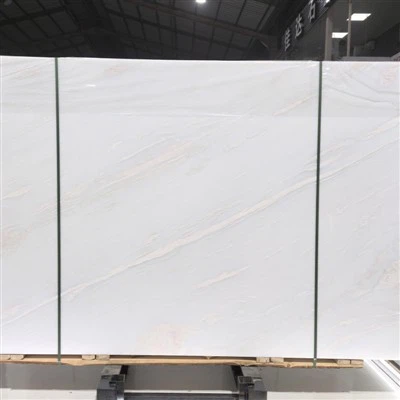
The Allure of Brown Marble for Exterior Facades
Brown marble is a versatile and visually striking material that can bring a sense of luxury and sophistication to any building’s exterior. Its warm, earthy hues range from light beige to deep chocolate, offering a wide spectrum of color options to complement different architectural styles and design concepts. The natural veining and patterns found in brown marble add a touch of organic beauty and uniqueness, making each facade stand out as a one-of-a-kind masterpiece.
One of the primary advantages of using brown marble for exterior facades is its durability. Marble is a metamorphic rock that has been formed over millions of years under intense heat and pressure, resulting in a dense and hard material that is resistant to wear, weathering, and erosion. When properly installed and maintained, brown marble facades can withstand the elements and retain their beauty for decades, making them a long-term investment for any building project.
In addition to its durability, brown marble is also highly customizable. It can be cut, shaped, and polished to meet the specific design requirements of any project, allowing architects and designers to create unique and intricate facades that showcase the natural beauty of the stone. Whether you prefer a classic, traditional look or a more contemporary and modern design, brown marble can be tailored to suit your aesthetic preferences and architectural vision.
Considerations for Using Brown Marble in Exterior Applications
While brown marble offers many benefits for exterior facades, there are also some important considerations to keep in mind before using this material in your project. One of the main challenges of using marble outdoors is its susceptibility to staining and discoloration. Marble is a porous material that can absorb liquids and contaminants, which can cause stains and damage over time. To prevent staining, it is essential to seal the marble surface regularly with a high-quality penetrating sealer and to clean up spills and stains immediately.
Another consideration is the impact of weather conditions on the durability of brown marble. In areas with extreme temperature variations, freeze-thaw cycles can cause the marble to crack and spall, leading to structural damage and reduced lifespan. To mitigate this risk, it is important to choose a high-quality marble that is suitable for outdoor use and to install it using proper techniques and materials. Additionally, regular maintenance and inspections can help to identify and address any issues before they become major problems.
The cost is also another factor to consider when using brown marble for exterior facades. Marble is a premium material that is generally more expensive than other building materials, such as brick or vinyl siding. However, the long-term durability and aesthetic appeal of brown marble can often justify the higher cost, especially for high-end commercial and residential projects.
Best Practices for Installing Brown Marble Exterior Facades
To ensure the successful installation and long-term performance of brown marble exterior facades, it is important to follow some best practices. First and foremost, it is essential to work with a reputable and experienced stone contractor who has a proven track record of installing marble facades. A professional contractor will have the knowledge, skills, and tools necessary to properly prepare the surface, install the marble panels, and seal the joints to prevent water penetration and damage.
Before installing the marble panels, it is important to conduct a thorough site inspection to ensure that the surface is level, clean, and free of any debris or contaminants. The surface should also be properly primed and sealed to provide a strong bond between the marble and the substrate. Additionally, the marble panels should be carefully selected and inspected for any defects or damage before installation to ensure that they meet the required quality standards.
During the installation process, it is important to use the correct adhesive and grout materials to ensure a secure and long-lasting bond between the marble panels. The adhesive should be specifically designed for use with marble and should be applied according to the manufacturer’s instructions. The grout should also be carefully selected to match the color and texture of the marble and should be applied in a consistent thickness to ensure a uniform appearance.
After the installation is complete, it is important to clean and seal the marble surface to protect it from staining and damage. The surface should be cleaned using a mild detergent and water and should be dried thoroughly before applying the sealer. The sealer should be applied evenly and allowed to dry completely according to the manufacturer’s instructions.
Case Studies: Successful Brown Marble Exterior Facades
There are many examples of successful brown marble exterior facades around the world that showcase the beauty and durability of this material. One such example is the John Hancock Tower in Boston, Massachusetts. The exterior of the tower is clad in panels of brown marble, which give the building a sleek and elegant appearance. The marble facade has withstood the test of time and weather, remaining in excellent condition since its completion in 1976.
Another example is the Burj Khalifa in Dubai, United Arab Emirates. The world’s tallest building features a stunning exterior facade that incorporates panels of brown marble. The marble adds a touch of luxury and sophistication to the building’s design, enhancing its iconic status on the global skyline.
Conclusion
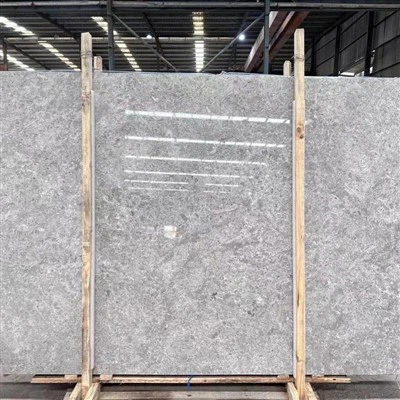
In conclusion, brown marble can be an excellent choice for exterior facades, offering a combination of beauty, durability, and customization. While there are some challenges and considerations to keep in mind, such as staining, weather resistance, and cost, with proper planning, installation, and maintenance, brown marble facades can provide a long-lasting and visually appealing solution for any building project.
Quartz If you are considering using brown marble for your next exterior facade project, I encourage you to contact me to discuss your specific requirements and explore the options available. As a trusted supplier of high-quality brown marble, I can provide you with a wide range of products and services to meet your needs. Whether you are an architect, designer, builder, or property owner, I am committed to helping you achieve your vision and create a stunning exterior facade that will stand the test of time.
References
- Ashurst, Jim, and V. Morris. Conservation of Building and Decorative Stone: A Handbook. Butterworth-Heinemann, 2012.
- Decorative Stone Institute. “The Use of Stone in Building Envelopes.” Technical Report OFL-503, 2008.
- Smith, John. “Marble for Exterior Applications: Durability and Aesthetics.” Stone World Magazine, April 2015.
Xiamen Yigong Import and Export Co., Ltd.
As one of the most professional brown marble suppliers in China, we also support customized service. With abundant experience, we warmly welcome you to buy high quality brown marble for sale here from our factory. For price consultation, contact us.
Address: No.850-2 Xingxi Road, Houxi Town, Jimei District, Xiamen
E-mail: ella@xmyigong.com
WebSite: https://www.yigongstone.com/
