If you’ve ever stopped to stare at one of those tiny 4-wheeler electric mini cars zipping around neighborhoods, parking lots, or even quiet downtown streets, you’ve probably had the same thought I did when I first started working at this company: “Wait, can you actually modify these things? They’re so small—what’s even worth tweaking?” Let me cut to the chase: yeah, you can. As a supplier of these little electric rides, I get tons of questions from curious owners, hobbyists, and even small business folks who want to make their mini cars work harder, look cooler, or just fit their specific needs. And before you ask: no, it’s not just “bolting on random stuff” and crossing your fingers—there’s actual science here, and it’s totally doable if you know what you’re doing. 4 Wheeler Electric Mini Car
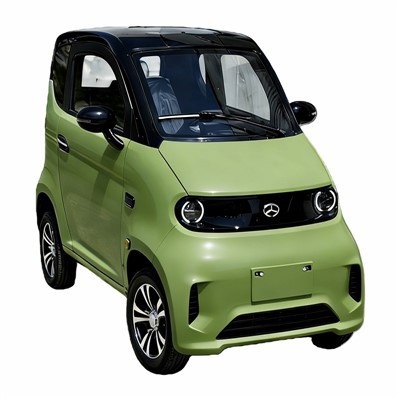
First, let’s get one thing straight: these mini cars aren’t the $10k+ luxury electric vehicles you see on the road. Most of ours start around $3,000 to $5,000, built for practical, low-speed use—think 25 mph, max. That means their components are designed to be budget-friendly, which also means they have built-in room for tweaks, as long as you don’t overdo it. I see a lot of new owners make the mistake of thinking “bigger is better” when it comes to modifying, but let’s be real: if you try to cram a 1,000-watt motor into a car that was built for a 500-watt one, you’re gonna blow the battery, fry the controller, or worse, end up with a car that’s unsafe to drive. So let’s start with the most common, science-backed mods that actually work, without turning your mini car into a fire hazard.
Let’s talk batteries first, because that’s the biggest pain point most people have. Our stock mini cars have lead-acid batteries (the big, heavy ones, the kind you’d find in a golf cart) that get you about 20-30 miles on a full charge. That’s great for popping to the corner store, but if you want to use your mini car for work—like a small business delivering snacks around a campus, or you just commute a little farther—you’re gonna want more range. The good news? You can swap those lead-acid batteries for lithium-ion ones, which are lighter, last longer, and hold a charge better. The science here is simple: lithium-ion batteries have a higher energy density, so they store more power per pound than lead-acid. Our stock batteries weigh around 60 pounds each—swap them for lithium, and you cut 50 pounds total, which not only boosts range but also makes the car feel zippier, because less weight means the motor has to work less. I’ve got a customer in a college town who used her mini car to deliver textbooks to dorms; swapping her batteries let her go from 25 miles to 55, and she only has to charge it once a day instead of twice. The catch? Lithium batteries are more expensive, around $800-$1,200 for a full set, but most people make that back in fuel savings in a year or two. And before you ask: we don’t recommend third-party battery packs from random Amazon sellers, because they don’t have the built-in battery management system (BMS) that keeps the cells from overcharging or overheating. We sell compatible lithium packs that are tested specifically for our mini cars, so you don’t have to worry about blowing a cell on a hot day.
Next up: motor and speed mods. A lot of people want their mini car to go faster, right? The stock speed is capped at 25 mph for safety, but some folks use their mini cars on private property—like a large farm, or a private resort, or even a closed community road with no through traffic—where 25 mph is too slow. Here’s the thing: you can’t just crank the speed controller to 50 mph and call it a day. The motor is built to handle a certain amount of power, and if you push it too hard, you’ll wear it out in weeks, or even damage the drivetrain (the axles, gears, etc.). Our mini cars use 500-watt or 1,000-watt brushless motors (super efficient, lower maintenance than old brushed ones), so the sweet spot for a speed bump is to upgrade to a 1,500-watt motor, max. That’ll get you up to 35 mph, which is still safe for private use, and the motor doesn’t have to work that much harder than it does at stock speed. The science here is torque vs. top speed: a higher wattage motor gives more torque, which means faster acceleration, not just a higher top speed. So if you hate waiting to get up to speed at a stop sign, this mod is perfect. Just make sure you upgrade the controller at the same time—your stock controller can only handle so much power, so swapping it for a 2,000-watt controller will let the new motor work properly without overheating. We always tell people: if you’re upgrading power, you have to upgrade the parts that handle that power. Don’t skip steps.
Now, the non-mechanical mods, the ones that make your mini car feel like yours, and actually useful. Let’s start with cargo and utility mods, because a lot of our customers buy these cars for work, not just fun. If you’re using your mini car to haul tools, or groceries, or pet supplies, the stock cargo space is tiny—just the back trunk, really. You can add a rear cargo rack, the kind you’d see on a bike, but make sure it’s rated for at least 100 pounds. I’ve seen people add custom wooden bed frames to the back of their mini cars for small deliveries, but here’s a tip: keep it low. Adding too much height to the back makes the car top-heavy, which is a big safety risk if you hit a bump or turn sharply. Another popular mod is adding roof racks for carrying beach chairs, coolers, or even a small tent if you’re using your mini car for camping. Just don’t overload it—our mini cars have a total weight limit of around 800 pounds, including passengers and cargo, so don’t forget to count people when you’re loading stuff.
Then there’s comfort and convenience mods, which are actually pretty easy to do. The stock seats on our mini cars are basic plastic-covered foam, fine for a trip to the store, but if you’re going on longer rides, you might want to swap them for padded, adjustable seats, like the ones from golf carts or even small ATVs. Just make sure the mounting holes line up—most mini cars have standard seat bolt patterns, so that’s not a big headache. You can also add a Bluetooth speaker, USB chargers for your phone, even backup cameras, because the stock mirrors are pretty small and it’s hard to see behind you. I had a customer who added a little heater to her mini car, perfect for cool mornings when she’s taking her dog to the park. The heater runs off the battery, and it’s not too powerful, so it doesn’t drain the battery more than 5 miles per hour of use. Just make sure you wire it properly so you don’t accidentally short out the electrical system.
Wait, let’s address the big elephant in the room: safety. I know some people hear “modify a mini electric car” and think “that’s dangerous,” and I get it. If you do it wrong, it can be. But here’s the thing: every mod we sell parts for has been tested by our engineers, specifically for our mini cars. We don’t recommend cutting wires, skipping safety checks, or using parts that aren’t made for these vehicles. For example, if you’re upgrading your brakes when you upgrade your motor (which you should always do), the stock brake pads are fine for 25 mph, but at 35 mph, you need better, higher-friction brake pads to stop safely. Our engineers tested this a while back, and found that upgrading to semi-metallic brake pads reduced stopping distance from 25 feet to 15 feet at 30 mph, which is a huge difference in a small car that’s so close to the ground. Another safety mod: turn signals and headlights. A lot of people use their mini cars at night, and the stock headlights are pretty dim. Adding brighter LED headlights isn’t just cosmetic—it’s a safety thing, so other people can see you. We sell LED headlight kits that plug right into the stock wiring, no cutting needed, so it’s a super easy, safe mod.
I also want to talk about the most underrated mod: software. Wait, mini cars have software? Yeah, the controller has a little computer chip that controls how much power goes to the motor, how the battery charges, all that stuff. You can actually tweak that with a programming cable, which most hobbyists use. For example, you can adjust the regenerative braking—regenerative braking is when the motor slows the car down and charges the battery at the same time, which boosts range. The stock setting is pretty mild, but you can crank it up a little so when you take your foot off the gas, the car slows down more, which means you use less brake and charge more battery. Our engineers found that adjusting that setting can add 5-10% more range, which is a big win for anyone commuting. Just don’t crank it too high, because that can make the car feel jerky when you take your foot off the gas, which is annoying for passengers.
Now, let’s get real about the limits here. You can’t turn a $3,000 mini car into a race car. It’s built for low-speed, short-distance use, so it has small wheels, a lightweight frame, and small tires. If you try to put big off-road tires on it, you’ll throw off the speedometer, put extra stress on the motor, and make the car less stable. We get people asking us all the time if they can lift the mini car to get more ground clearance for dirt roads, and technically you can, but the frame isn’t designed to be lifted, so you risk bending the chassis, which is super dangerous. Same with all-wheel drive: our mini cars are front-wheel drive, and adding a rear motor would cost almost as much as a whole new car, so it’s not worth it. The best mods are the ones that fit what the car is already good at, not trying to turn it into something it’s not.
As a supplier, I’m not here to tell you that every mod is a good idea, or that you should gut your entire car and start over. What I am here to say is that modifying your 4-wheeler electric mini car is totally possible, as long as you do your research, use compatible parts, and prioritize safety over flashy upgrades. I’ve seen customers go from stock mini cars that barely make it to the end of their driveway to customized rides that haul their business supplies, take their kids to soccer practice, or even go camping on private land—all without breaking the bank or risking their safety.

If you’re thinking about modifying your mini car, or you’re looking for parts that are tested and safe for our vehicles, we’ve got you. We don’t sell random parts off the internet; every battery, motor, brake kit, and accessory we offer is designed specifically for the mini cars we supply, so you don’t have to guess if it’ll work. We also have a team of technicians who can answer questions, or even help you install mods if you’re not handy with tools.
Flat Bed Pick Up Truck If you’re interested in learning more about which mods work best for your needs, or you want to get parts for your mini car, feel free to reach out to our team to connect and chat about your project. We’re here to help you make your mini car work for you, safely and affordably.
References
- U.S. Department of Energy. (2022). Electric Vehicle Battery Basics. Retrieved from energy.gov
- Society of Automotive Engineers. (2021). Low-Speed Electric Vehicle Modification Guidelines. Retrieved from sae.org
- International Journal of Sustainable Transportation. (2020). Range Extension for Light Electric Vehicles via Battery Swapping and Software Tuning. Retrieved from tandfonline.com
- National Highway Traffic Safety Administration. (2019). Safety Standards for Low-Speed Vehicles. Retrieved from nhtsa.gov
- Electric Drive Transportation Association. (2023). Light Electric Vehicle Component Compatibility Guide. Retrieved from edta.com
Taizhou Xiangyuan New Energy Technology Co., Ltd.
As one of the leading 4 wheeler electric mini car manufacturers and suppliers in China, we warmly welcome you to wholesale cheap 4 wheeler electric mini car for sale here from our factory. All customized products are with high quality and low price. Contact us for pricelist.
Address: NO.7HUANGJIN ROAD,METAL RESOURCES RECYCLING INDUSTRY BASE, LUQIAO, TAIZHOU, ZHEJIANG
E-mail: order@jiajiev.com
WebSite: https://www.jiajiev.com/
