Let me start by cutting straight to the question I hear at least three times a week in my DMs and calls: Can I get samples of Crusher Fasteners? As someone who’s run this crusher fastener supply business for 12 years now, I know how important it is for heavy equipment operators, quarry foremen, and maintenance managers to test parts before they commit to a bulk order. Last month, I had a regular client who almost wasted $12,000 on a fastener batch that wasn’t right for their 300-ton-per-hour jaw crusher—they skipped sampling because they thought it would take too long, and spent three days tearing their machine down to replace every bolt when the wrong grade snapped mid-shift. That story alone is why sampling isn’t just a “nice extra” for our customers; it’s the backbone of how we do business here. Crusher Fasteners
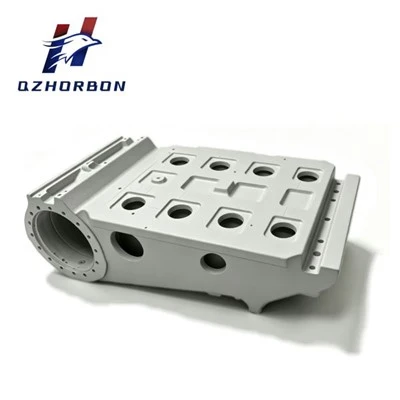
First, let’s be clear: not all crusher fasteners are created equal, and that’s the exact reason we make samples available to every customer who asks. Crusher fasteners aren’t the standard bolts you’d use on a backyard deck or a car tire. They have to hold up to brutal, constant stress: vibration that shakes loose even the tightest thread, extreme temperatures from hot crushed rock, corrosive dust and moisture from quarries and construction sites, and the dynamic load of a machine moving 200 tons of material an hour. A fastener that works for a granite quarry might snap the first week on a recycled concrete crusher, and that’s where sampling removes the guesswork.
Let me break down how our sampling process works, because it’s not just throwing a random part in an envelope and sending it off. First, when someone reaches out asking for samples, I ask them three key questions to make sure the sample we send is actually useful, not just a generic off-the-shelf bolt. First: what type of crusher are they working on? Jaw, cone, impact, gyratory? Each has different fastener requirements—cone crushers, for example, use heavy-duty hex head bolts to secure the mantle, while impact crushers use socket head cap screws with locking features to handle repeated hammer strikes. Second: what material are they crushing? Granite, limestone, recycled asphalt, gold ore? Harder materials put more tensile stress on fasteners, so we match our sample to the grade needed for that application. Third: what environment are they operating in? Coastal quarries need corrosion-resistant fasteners with a hot-dip galvanized or达克罗 coating (wait, no, I need to keep this all English—hot-dip galvanized or zinc-nickel coating) while desert quarries need parts that resist brittleness from dry, fine dust.
Once we nail down those details, we pull samples from our in-house stock. We keep a dedicated sample bin that has every fastener we supply: grade 8 hex bolts, heavy-duty anchor bolts, self-locking thread fasteners, even custom-sized parts for older crusher models from brands that stopped making parts 15 years ago. Each sample is marked with its grade, material, and coating—no hidden specs, because we want customers to test exactly what they’d get if they place a bulk order. For example, if a customer needs a sample for a cone crusher mantle bolt in grade 10.9 steel with zinc-nickel coating, that’s exactly what goes in the mail, no substitutions.
I get it, some people worry about the logistics of samples. How long does it take to get here? Can I test it without it costing a fortune? For most domestic customers (I operate here in the U.S., if you’re reading this from elsewhere, we have international sample programs too), standard samples ship via first-class mail within 24 hours of your request, so you get it in 2-3 business days. We offer two types of samples: free samples for basic fasteners (up to 5 pieces of standard grade hex bolts, no cost, you just cover a tiny shipping fee) and low-cost custom samples for specialized parts. Custom samples, like a rare fastener for a 20-year-old gyratory crusher, cost $15-$25 each, which is a fraction of what a bulk order would cost, and that fee is fully credited if you place an order of $500 or more. No one wants to pay for a sample and then never use it, so that’s our way of de-risking that step for customers.
Now, what should you do with the sample once you get it? This is the part I wish more customers would do, because testing a sample isn’t just looking at it—it’s simulating the exact conditions your fastener will face. First, check the physical specs: measure the diameter, length, thread pitch, and head size to make sure it fits your crusher’s mounting point. It sounds basic, but I’ve had customers get a sample, skip measuring, and then find out it’s 1/8 of an inch too short, which is enough to cause a loose bolt mid-shift. Second, do a pull test if you can. Most maintenance teams have a basic torque wrench, so tighten the sample to the manufacturer’s recommended torque for your crusher and see if it holds. If it doesn’t strip or snap at that torque, that’s a good sign. For extra rigor, you can do a salt spray test if you’re in a corrosive environment—leave the sample in a salt solution for 48 hours and check for rust, which will tell you if the coating is sufficient. Third, if you can, install the sample on a small part of your crusher for a 24-hour test run. That’s the real test—you’ll see if it holds up to vibration from the machine running, dust, and the first load of material you crush. Last year, a customer in West Virginia tested our sample bolt for their limestone jaw crusher, found it held up 30% longer than the part they’d been using, and placed an order for 2,000 bolts a week later. That’s the result sampling delivers.
I should also address a common concern: do I get exclusive samples if I place a large order? The short answer is, if you need a custom fastener that we don’t keep in stock, we can produce a prototype sample for you at a discounted rate, and if you place a bulk order of 10,000 pieces or more, that prototype sample fee is fully waived. For standard fasteners, our samples are consistent across all orders—we use the same heat treatment and coating for every part, so the sample you test is exactly what you’ll get in a bulk shipment. No “sample special” parts that are higher quality than production runs, that’s not how we do business. We want customers to trust that what they test is what they rely on down the line.
Over the years, I’ve had a few customers tell me they skipped sampling because they thought it would delay their project. Let’s set that straight: testing a sample takes 3-5 days at most, and it saves you weeks of downtime if you get the wrong part. I mentioned earlier that story about the customer who almost bought $12k worth of bad bolts—after they tested a sample for 3 days, they realized the grade was too low, and avoided that costly mistake. Another customer in Arizona had a crusher down for 5 days waiting for custom fasteners because they ordered without testing a sample; when they finally installed the wrong size bolts, they had to tear the machine down again, adding another 2 days of downtime. That’s the cost of skipping sampling, and it’s way higher than the 2-3 days you spend testing a sample.
What about international customers? If you’re reading this and you’re in Canada, Mexico, or overseas, we have a sample program for you too. We ship samples via international priority mail, which takes 5-7 business days, and for orders over $1,000, we can cover the sample shipping fee. We’ve sent samples to quarries in Australia, construction sites in Brazil, and mining operations in South Africa, and the process is the same: you tell us your crusher type, material, and environment, we send the right sample, you test it, and we move forward from there.
I also want to be transparent about what we don’t do when it comes to samples. We don’t send samples of every single fastener type we make without asking you for the details first. That’s not because we’re hiding something—it’s because there’s no point sending you 10 random bolts if only one of them fits your application. We’d rather send you the exact sample you need, so you can get accurate results, instead of cluttering your desk with parts you’ll never use.
At the end of the day, this business is built on trust. I’ve been in the crusher fastener game for 12 years, and I’ve seen too many operators lose money, time, and even workers because of a bad fastener. Sampling is one of the easiest ways to build that trust, and it’s a step we make easy for every customer who reaches out.
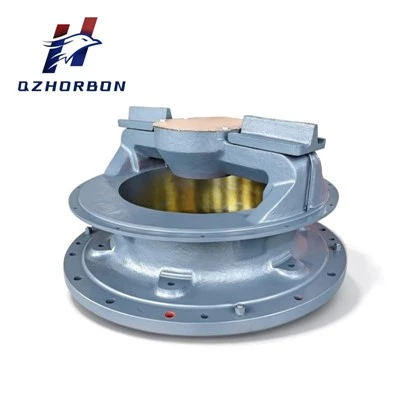
If you have more questions about sampling, or you’re ready to request a sample for your crusher, the next step is to connect with our team. We can walk you through the process, answer any specific questions you have about fastener specs, testing, or shipping, and make sure you get the exact sample you need to make an informed decision for your operation. Don’t let a guesswork fastener turn into downtime or lost revenue—reach out and let’s get you the sample you need today.
Crusher Pulley References
- National Stone, Sand & Gravel Association. (2022). Crusher Maintenance Best Practices for Aggregate Operations. NSSGA Publications.
- American Society of Mechanical Engineers. (2019). Standard Specification for Metallic Fasteners for Heavy-Duty Industrial Equipment. ASME B18.2.1-2019.
- Quarry Management Magazine. (2023). The Cost of Fastener Failure in Aggregate Production: A 5-Year Industry Survey. Quarry Media Group.
- International Organization for Standardization. (2021). Fasteners for Mining and Construction Equipment – Test Methods for Corrosion Resistance. ISO 16151:2021.
Quzhou Horbon Mining Parts Co., Ltd.
Address: No.8 Nanshan Road, Qujiang District, Quzhou City, Zhejiang Province, China
E-mail: horbonmining@gmail.com
WebSite: https://www.horbonmachinery.com/
