Hey everyone! Let’s cut to the chase—if you’re here, you’re probably hunting for cabinet locks that actually work, whether you’re a parent tired of finding weird stuff under the sink, a landlord sick of tenants messing with your office supplies, or even a shop owner needing to lock up inventory without drilling holes all over your cabinets. As a cabinet lock supplier, I’ve talked to hundreds of people over the last few years about what they actually need vs. what fancy marketing says is “the best.” Today, I’m breaking down the locks that stand up to real use, no fluff, no corporate jargon, just the stuff that actually gets the job done. Cabinet Lock
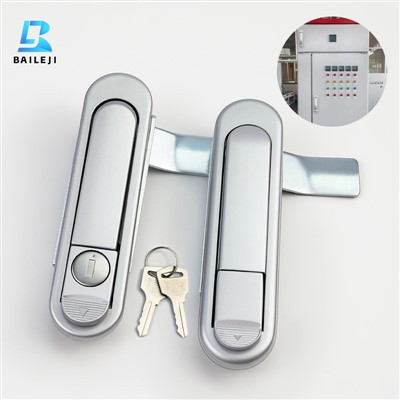
First, let’s get one thing straight—there’s no “one size fits all” cabinet lock. A lock that works for a bathroom cabinet with thin particleboard doors isn’t gonna cut it for a garage cabinet with thick solid wood, right? So I’m gonna split this into categories based on use case, because that’s what matters most. If you just scroll Amazon for “cabinet locks,” you’ll get a million random ones that break after a week. I’ve seen it happen too many times, and trust me, my team and I test every new product we bring in before we even mention it to customers.
Let’s start with the number one most requested lock from parents: adhesive child safety locks. These are the ones you see attached to the inside of cabinet doors with a strong sticky pad, no drilling required. Wait, but don’t just grab the cheap $5 pack from the drugstore—those suck, I promise. The best ones here have a dual-latch design, not a single plastic tab that a curious toddler can yank with enough wiggles. The top-rated ones I keep in stock? They use a industrial-grade 3M adhesive, so they won’t peel off even if your kid pours water on the cabinet or you have to wipe it down with a little cleaner. Another pro tip: look for ones with a “slide-and-lift” release, not just a push button. Toddlers are smart, and they’ll figure out a push button in, like, three days. The slide-and-lift requires two separate movements—adults can do it fast, kids can’t. I’ve had a customer tell me these stopped her 18-month-old from getting to cleaning supplies, and she even had one on her medicine cabinet so her teen couldn’t sneak painkillers without her knowing. That’s the win right there.
Next up, for people who don’t want to put sticky stuff everywhere: magnetic cabinet locks. These are a game-changer for rental properties or places where you can’t drill. How do they work? You stick small, low-profile magnetic locks on the inside of your cabinet doors (no sticky? Wait no, some adhesive, but super thin) and then keep a small magnetic key on your fridge or somewhere easy for adults to reach. The key has to be aligned just right to activate the lock. The best ones here have strong neodymium magnets—no flimsy ones that work from an inch away, that’s a scam. I’ve had people ask me if their old fridge magnet will work—nope, most regular fridge magnets are too weak. The cool thing about these is you can have multiple locks all open with the same key, so you don’t have a million different keys floating around. We’ve sold these to office managers for supply cabinets, and to people with elderly parents who have tremors—no twisting a key, just slide the key over and the lock pops right open. Just make sure you don’t leave the big magnet key where a kid can grab it, that’s the only catch. I once had a dad call me panicking because his toddler found the magnet on the counter and opened three cabinets—oops, that’s a easy mistake to avoid, just tuck the key somewhere out of reach.
Now, for the heavy-duty stuff—garages, workshop cabinets, outdoor sheds that have cabinet doors, or cabinets with expensive inventory. The go-to here is combination cabinet locks, specifically the ones that mount on the edge of the cabinet door, not the inside. Wait, not the cheap combination ones that reset when you bump them. The good ones have a solid metal body, not plastic, and the combination dials are tight enough that you can’t accidentally turn them. I recommend the ones with a 4-digit combination, not 3—more codes, harder to crack. We have a lot of small business customers who use these for locking up their cash registers in the back office, or for craft supply cabinets with expensive tools. Another bonus: if you forget the code, you don’t need a key—you can reset it with a small tool (we include the reset pin, don’t worry) without drilling. I’ve had a carpenter tell me these have lasted him 3 years in his outdoor workshop, through rain and snow, and they still work perfect. Avoid the ones that cost less than $10 here—those plastic combination locks will freeze or break if you leave them outside.
Wait, what about sliding cabinet doors? That’s a whole different beast, right? Regular locks don’t work on sliding doors because there’s no edge to mount a lock. The best option here is a sliding cabinet latch, usually with a key or magnetic release. These fit right into the track of the sliding door, so you can’t yank the door open unless you move the latch. The magnetic ones for sliding doors are great for kids too—again, two movements to open. I had a customer who had a kitchen island with sliding cabinet doors, and her old lock would slide open when she pushed the island. The new sliding latch we sell locks in place, so no issue with that. That’s the niche stuff that people don’t think about until they need it, and it’s a huge pain point for a lot of people.
Now, let’s talk about what NOT to waste your money on, because I see this all the time. First, those over-the-door knob locks that clip on—they work for like a week, then the plastic clip breaks. Don’t do it. Second, the cheap keyed cabinet locks that come in a pack of 10 for $8—keys get lost, they break easily, and most of them are easy to pick with a bobby pin. Third, any lock that advertises “no tools required” and then you realize the “no tools” part is just peeling a sticky pad off and putting it on a surface that’s too textured (like rough particleboard). Adhesive locks need smooth, flat surfaces to stick, that’s just science. If your cabinet doors are textured, go with a magnetic one because it has a small mounting plate that can grip slightly textured wood better.
Wait, let’s also cover a few underrated use cases that people don’t mention. First, file cabinets in home offices. A lot of people don’t lock their files, but if you have tax docs or sensitive info, a small keyed lock that mounts on the drawer is perfect. We have a compact keyed lock that fits even small file drawers, and it’s small enough that it doesn’t get in the way when you pull the drawer out. Second, RV and camper cabinets. They shake all the time when you’re driving, so adhesive locks that aren’t strong enough will peel off. The magnetic locks with extra strong adhesive work great here, or combination locks if you don’t want to stick anything. A lot of RV owners tell me these keep their snacks, clothes, and small tools from sliding around or getting opened while they’re on the road. Third, store cabinets—like if you have a retail shop and need to lock up your register or product samples. The combination ones that are weather-resistant work awesome here, no keys to hand out to part-time staff, just a code.
Now, let’s get real about what makes a good cabinet lock overall. It’s not just how strong the lock is, it’s how easy it is to use for the people who need to open it, and hard for the people who don’t. For example, child locks: easy for you, hard for your kid. For office locks: easy for staff, hard for visitors. For garage locks: easy for you, hard for strangers. Any lock that’s a hassle for you to use? You won’t use it, so it’s useless. I’ve seen customers buy super heavy-duty padlocks for their kitchen cabinets just because they thought it was secure, and then they hate opening it every time they grab a mug. That’s a waste—pick a lock that fits your specific needs, not just what sounds the most secure.
Another thing to check: installation time. If you’re renting, you can’t drill, so adhesive or magnetic is your only option. If you own your home and are installing in a permanent spot, drilling a solid metal combination lock is fine. A lot of people forget to ask themselves “am I allowed to drill here?” before buying a lock, which leads to returns and frustration. That’s why we always ask customers first: are you a renter or homeowner? Is this for a kid, office, or garage? That helps us point them to the right lock right away, no guesswork.
Let’s do a quick recap, because I know that’s a lot of info. If you’re buying a lock right now:
- For childproofing: Adhesive dual-latch slide-and-lift locks (or magnetic locks if you can’t drill)
- For rental-friendly, no-drill: Magnetic cabinet locks with strong neodymium keys
- For heavy-duty/garage/warehouse: Metal 4-digit combination cabinet locks
- For sliding cabinet doors: Sliding track latch (magnetic or keyed)
- For file drawers: Compact keyed cabinet locks
Now, if you’re thinking “wait, but I have a weird cabinet—like a corner cabinet or a small bathroom cabinet that’s not standard?” No problem, just reach out. My team and I deal with custom fits all the time, and we can help you pick something that works even for those awkward spots.
A quick note on durability too—we’ve tested all the locks we sell, so I know they last. I mentioned earlier that I’ve seen cheap locks break, and that’s why we only stock products that we’ve used ourselves. If a lock can survive being pulled on by a toddler, or being left in a cold garage for a year, it’s worth the extra few bucks. You don’t want to replace your cabinet lock every 3 months, that’s more expensive in the long run.
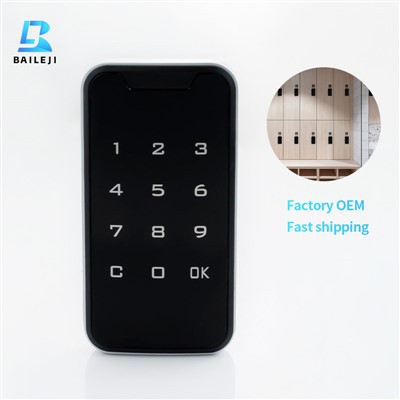
At the end of the day, cabinet locks aren’t just about security—they’re about peace of mind. Whether that’s not worrying about your kid getting into cleaning supplies, not stressing about someone stealing office supplies, or keeping your garage tools safe. We’re here to help you find exactly what you need, no sales pitches, no pushy tactics. If you’re looking to buy multiple locks, or have questions about fitting something to your specific cabinets, just reach out to our team to chat about your needs. We can walk you through options, answer any questions about installation, and make sure you get the right lock for your space.
Mechanical Lock References:
- Consumer Product Safety Commission. (2022). Non-Fatal Suffocation Injuries Associated with Unsecured Cabinet and Drawer Products. U.S. Consumer Product Safety Commission.
- National Fire Protection Association. (2021). Home Fire Safety and Common Household Item Risks. National Fire Protection Association.
- Locksmith Association of North America. (2023). Residential Cabinet Lock Security Best Practices. Locksmith Association of North America.
- RV Industry Association. (2022). Common Storage Solutions for RVs and Travel Trailers. RV Industry Association.
- Small Business Administration. (2023). Retail Inventory Security Best Practices for Small Businesses. U.S. Small Business Administration.
Suzhou Baileji Intelligent Lock Industry Co., Ltd.
As one of the most professional cabinet lock enterprises in China, we’re featured by quality products and good price. Please rest assured to buy discount cabinet lock in stock here and get pricelist from our factory. Also, customized service is available.
Address: 3rd Floor, Building 9, Shengteng Industrial Park, No. 8 Ruyuan Road suzhou, jiangsu, China
E-mail: vip@bailejilocks.com
WebSite: https://www.bailejilock.com/
